Easily See How to Sell your Pi Network Coin in South Africa 🇿🇦
📍the fnfSwap Team
You’ve been mining Pi on your phone, tapping that button every day, watching your balance grow. Now what?
The question sitting in the back of your mind is the same one most South African Pioneers are asking: Can I actually turn this into rands?
The short answer is yes, but there are a few things you need to sort out before any money moves.
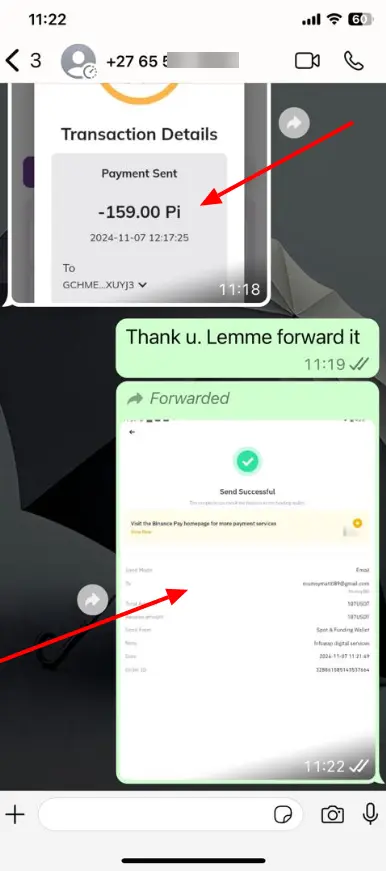
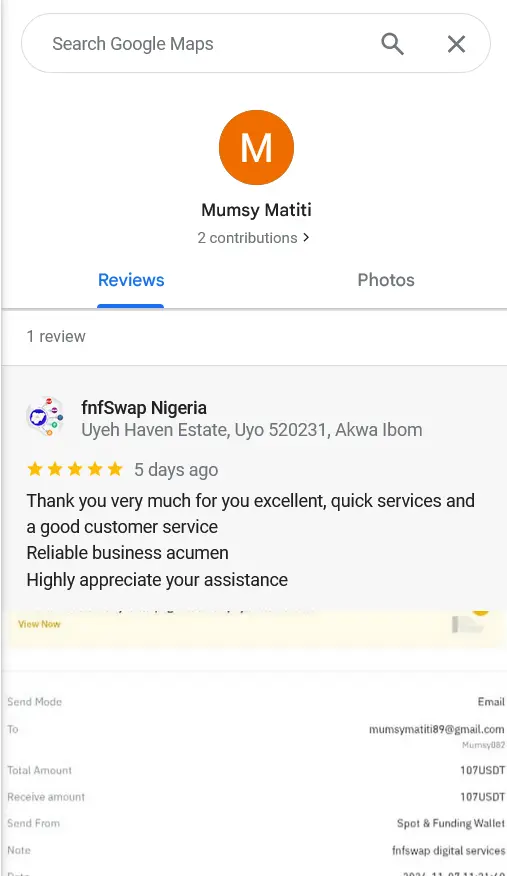
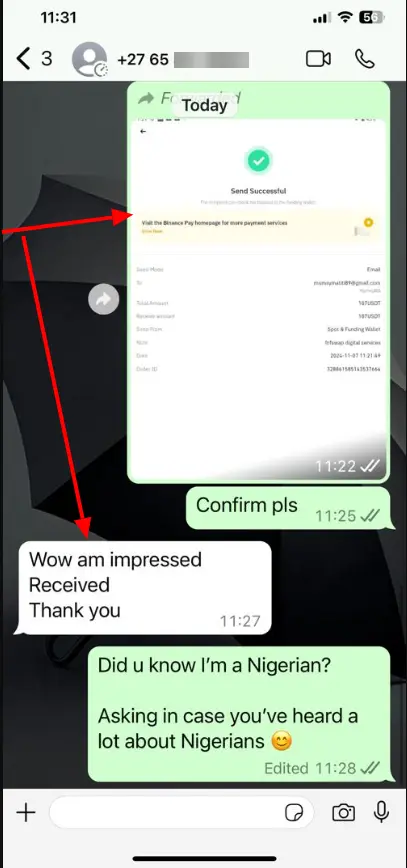
You will see the whole process below as we facilitated Mumsy Matiti Pi for USDT Payout.
This guide covers the exact steps, the routes available specifically to South Africans, and how a service called fnfSwap Freelance makes the whole process a lot less stressful for you – just as it has for other South Africans.
This is the part most guides skip over, and it’s where the confusion starts.
Just because you have a Pi balance doesn’t mean it’s ready to sell. There are requirements you have to fulfil, and if any of them are incomplete, the transaction won’t go through.
You need to complete identity verification inside the Pi Browser. This involves uploading a government-issued ID and passing face verification.
Without this, your Pi cannot be migrated, unlocked, or moved to the available balance. So, kindly confirm this.
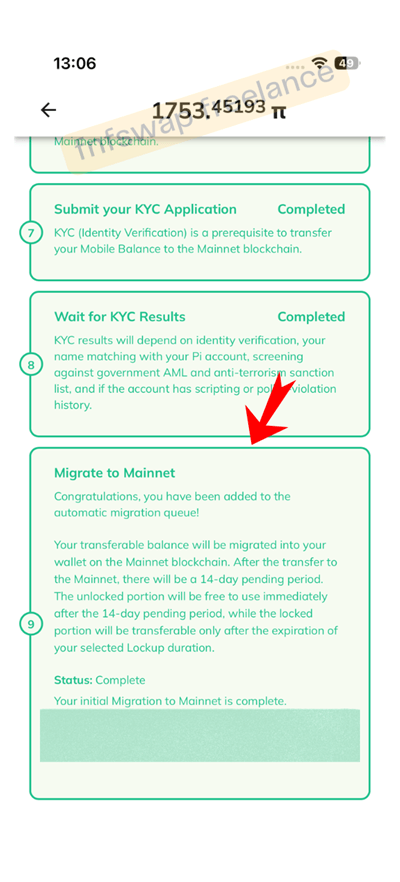
After KYC, your coins need to move from the transferable balance to the Pi Mainnet. This is the step that makes your Pi real and transferable/tradable on the blockchain.
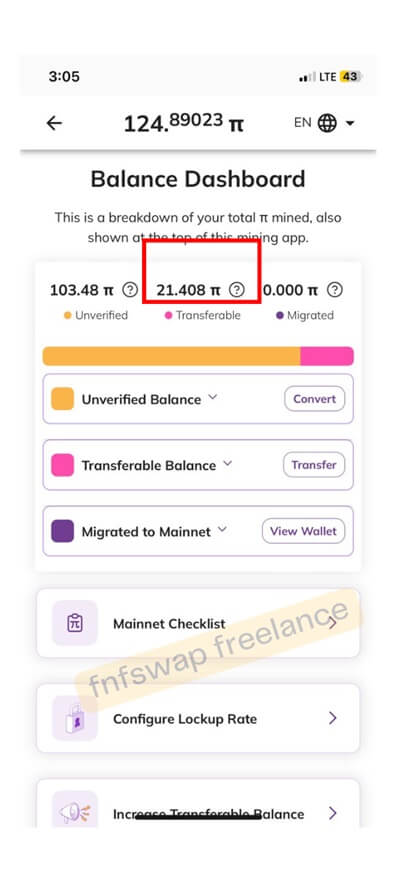
Even after migration, a portion of your Pi may be available for transfer right away, while the other is locked.

Kindly check if the Pi has an unlocked padlock. If it does, then this is the one you can withdraw for cash. All you need to do is move to the mainnet balance – if it wasn’t.
The Pi has to sit in your mainnet available balance for you to transfer. Kindly confirm that it is as shown below.
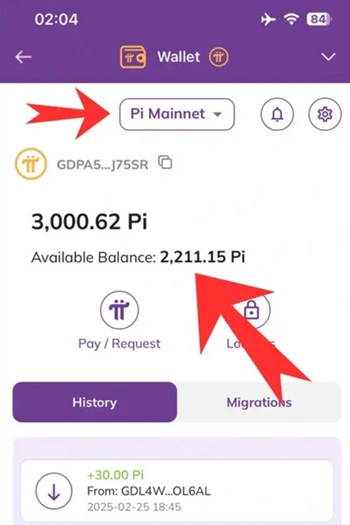
Note: You cannot sell a locked Pi. Don’t try it to avoid being scammed.
The current local exchange rate of 1 Pi to Ghana Cedis is valued at about 1.2-1.73 GHS.
While the Pi value in South African Rand (ZAR) fluctuates with the crypto market like any other asset, the current local exchange rate of 1 Pi to Ghana Cedis is valued at about ZAR 2.01-2.51.
The good news is that when you sell through a service like fnfSwap, you’ll agree on the rate at the time of the transaction.
And while it won’t be identical to the exchange price you see listed due to service margin, you get the simplicity of not having to navigate an exchange full of scammers yourself and getting real-time value in USDT.
There are a few routes available to Ghanaian Pioneers:
There are a few exchanges that have listed Pi since the mainnet launch. It involves a lot of processes: creating and verifying, funding the deposit address, confirming the address, waiting for block confirmation, navigating to the peer section, finding a credible vendor – devoid of scams, risking and trading with a banned profile, and waiting for crediting.
Some people sell Pi directly to buyers through Telegram groups, WhatsApp, or social media. Be very careful here. Why?
Because scams are rampant in these channels, many Pioneers have lost their coins to buyers who never paid after receiving the transfer.
You want to only deal with highly trusted individuals and always insist on payment before sending Pi.
This is the simplest and most direct route for Ghanaians who want to convert Pi to USDT quickly, without navigating multiple platforms on their own.
Having served other clients in South Africa, see how it works below.
The current local exchange rate of 1 Pi to Ghana Cedis is currently valued at about 1.2-1.73 GHS.
fnfSwap Freelance is a peer-assisted freelance service that safely handles the facilitation of the Pi-to-USDT exchange process on your behalf.
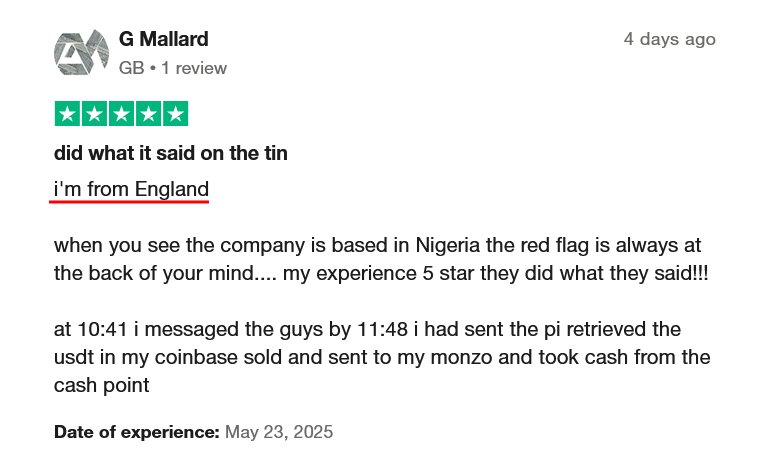
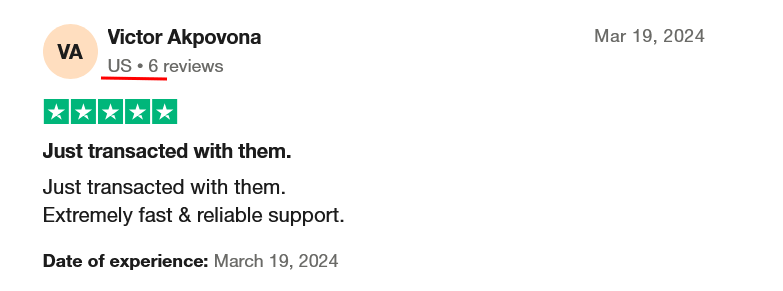
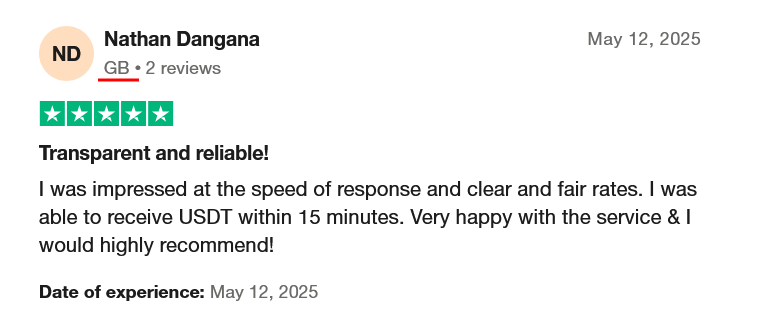
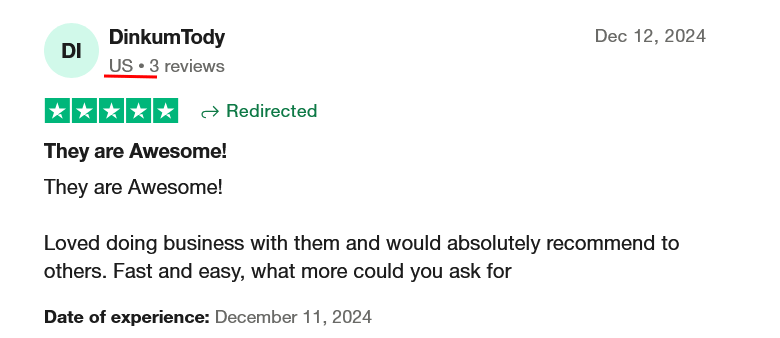
They’ve served clients across Africa and beyond, including Ghana, Nigeria, Pakistan, Singapore, and the USA, UK, and have verifiable transaction proofs and client reviews.
Here’s why many Pioneers prefer this route:
Most verified transactions are completed within:
The thing is, since Pi is a cryptocurrency, transactions usually reflect almost instantly. So, there’s really no reason to waste time receiving Naira, right? Yeah.
fnfSwap Freelance is a digital currency conversion service that has handled Pi-to-USDT exchanges for clients across Africa, Asia, and beyond.
For South Africans, the result is USDT delivered to your Binance or Bybit wallet, which you can then convert to ZAR on your preferred local platform.
Here’s how it works, step by step:
Reach out to fnfSwap and confirm the current Pi-to-USDT exchange rate. Rates reflect the market value at the time of the transaction.
Having agreed on the rate, drop your USDT wallet address for the payment.
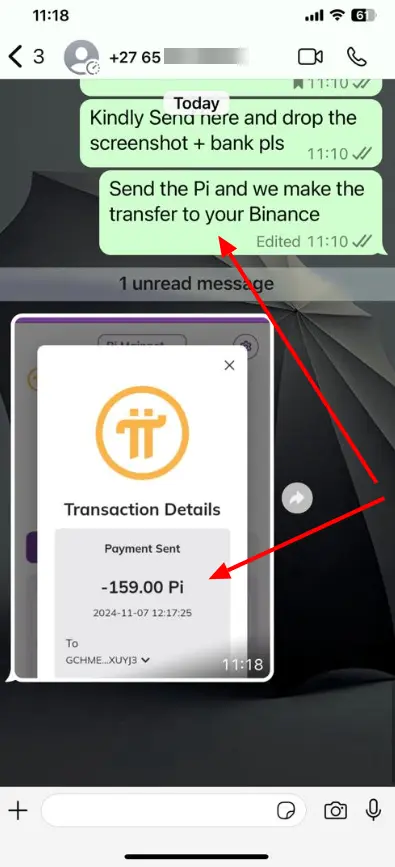
For our South African client below – he chose Binance as a gateway.
fnfSwap will provide a Pi wallet address to send your coins to. Go ahead and send the Pi and drop your receipt.
Once your Pi transfer is confirmed on the blockchain, fnfSwap sends the agreed USDT amount to your Binance or Bybit wallet address in a few minutes.
The whole process is typically fast once the blockchain confirms the transfer.
Lastly, confirm and leave us a review, if you please.
If you’re not sure how to transfer Pi out of your wallet, here’s how it works:
Double-check the wallet address before hitting confirm. Pi transactions cannot be reversed once sent – [see video attachment for help].
That’s All.
Ready to convert Pi for USDT in South Africa?
Join other Pi project holders, get your exact rate, and finalize your conversion with our assisted process in minutes🚀
Once USDT lands in your Bybit or Binance wallet, here’s how South Africans typically convert it to rands:
OVEX is a South African crypto exchange regulated by the FSCA.
You can transfer USDT there and sell it for ZAR, then withdraw to any South African bank account via EFT. Settlement is usually on the same day.
Both platforms have P2P markets where local sellers and buyers trade USDT for ZAR.
You want to look for sellers with 95%-100% profile credibility listed under the ZAR payment methods; many accept EFT to Standard Bank, FNB, Capitec, and other major South African banks.
A Word on Tax
SARS (South African Revenue Service) has made it clear that crypto transactions are taxable events. Whether your Pi profit is treated as capital gains or income depends on how frequently you trade. Either way, you’ll want to keep records of:
This isn’t something to ignore, as SARS now specifically looks for crypto declarations on tax returns.
- Scam Platforms
If a website promises instant Pi sales, asks for your seed phrase, or wants payment upfront before delivering anything, walk away. Why?
No Legitimate services ever ask for your seed phrase or private keys.
- Fake Pi Listings
If you decide to test the waters on CEX, there are counterfeit “PI” tokens on some decentralized exchanges. For instance, we have Pi Pro. Always make sure you’re dealing with the actual Pi Network mainnet coin.
- Telegram Scammers
Be cautious of strangers in Pi Network Telegram groups offering to buy your Pi. Many of these are fraudulent.
- Your Seed Phrase Is Sacred
Never share it with anyone, not fnfSwap, not any exchange, not any buyer. Anyone asking for it is attempting to steal your coins.
Also: See a full list of 10 Pi Crypto Coin Scams Online to Avoid
The minimum is 100 Pi tokens for a USDT payout.
You need either a Binance or a Bybit account to receive USDT. Bybit tends to work more smoothly in South Africa.
Once the Pi transfer is confirmed on the blockchain and the receipt is shared, payouts are typically processed quickly. Blockchain confirmation time is usually the longest part.
Yes. Cryptocurrency trading is legal in South Africa. The FSCA oversees crypto as a financial product. Keep transaction records for SARS.
Not through fnfSwap — their payouts are in USDT. However, converting USDT to ZAR via OVEX or P2P platforms takes one additional step and is straightforward.
No. KYC approval and mainnet migration are mandatory before your Pi can be transferred anywhere.
Why Pi sellers choose fnfSwap to facilitate their cash-out
Selling Pi in South Africa comes down to three things: making sure your Pi is actually ready to move (KYC, migration, unlocked balance), choosing a route that fits your situation, and protecting yourself from scams along the way.
For most South African Pioneers, especially those without exchange accounts already set up, fnfSwap Freelance offers the cleanest path from Pi to USDT without having to navigate multiple platforms alone.
From there, converting USDT to rands is one more step through a local exchange or P2P platform.
Start with a minimum of 100 if you want to verify it works; otherwise, proceed with full confidence, just as testified by hundreds of clients served.
Need help with current Pi exchange rates or want to start the conversion process? Reach out to fnfSwap Freelance directly for assistance tailored to South African clients.